
5 Health Issues You Can Treat Without Going to the Hospital in Nigeria
Introduction: Healthcare Without the Stress
Ask any Nigerian about going to the hospital, and you’ll hear the same story: “You go wait, wait, and wait again.”
From Lagos to Kano, hospital queues are often endless. According to the Nigerian Medical Association (NMA), Nigeria has fewer than 24,000 practicing doctors for over 200 million people. That’s roughly 1 doctor for every 10,000 Nigerians — far below the WHO’s recommended ratio of 1 doctor for 600 patients.
The result? Patients spend hours waiting to see a doctor. For many, that means taking a whole day off work, battling traffic, and still leaving frustrated.
But here’s the truth: not every health issue requires a hospital visit.
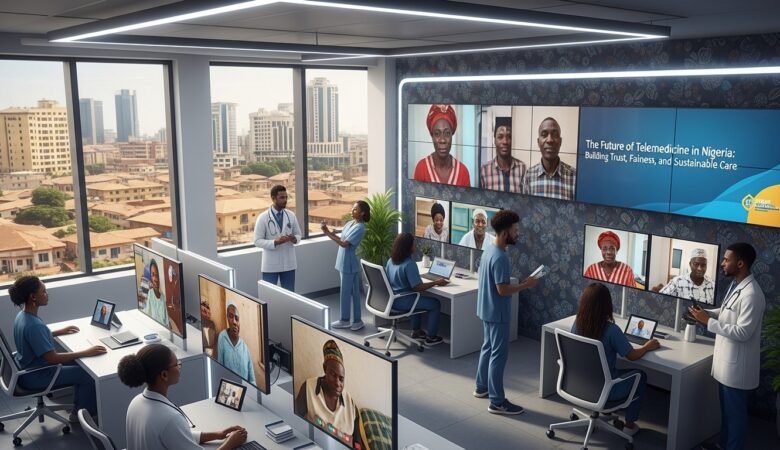
With telemedicine — the ability to consult doctors online — Nigerians can now access healthcare right from their phones. Whether you’re in Abuja, Lagos, Port Harcourt, or a rural community in Benue, virtual healthcare makes treatment faster, cheaper, and more convenient.
As we prepare to launch HealR, Nigeria’s very own telemedicine solution, let’s show you 5 common health issues you can treat without leaving your home.
1. Mild Infections & Allergies
Every Nigerian has had to deal with minor infections or allergic reactions. From skin rashes caused by heat, to catarrh during harmattan, or itchy eyes from dust in the north — these are everyday issues that rarely need physical hospital visits.
With online doctor consultations in Nigeria, doctors can:
• Assess your symptoms through video calls or photos.
• Recommend safe medications (instead of trial-and-error at the chemist).
• Advise whether you need in-person care if symptoms worsen.
A hypothetical Nigerian example:
Chika, a 28-year-old in Abuja, noticed her skin breaking out in rashes after using a new body lotion. Instead of queuing for hours at a hospital, she booked an online consultation. In less than 20 minutes, a dermatologist confirmed it was a mild allergic reaction, recommended a cream, and she was fine in a week.
Pro Tip: Don’t rely only on self-medication from roadside chemists. A quick online consultation saves you time and prevents complications.
2. Headaches & Migraines
If there’s one thing Lagos traffic guarantees, it’s stress headaches. Long commutes, noise pollution, dehydration, and screen time all contribute to frequent headaches among Nigerians.
While most people just grab paracetamol from the nearest kiosk, this isn’t always safe. Some headaches may be due to migraines, poor vision, or even high blood pressure.
With telemedicine in Nigeria, you can:
• Describe your headache pattern to a doctor.
• Receive professional advice on whether it’s stress-related or something more.
• Get a prescription for stronger medication if necessary.
Case example:
Tunde, a banker in Lagos, suffered recurring headaches. After an online consultation, his doctor advised an eye test. Turns out, the real cause was eye strain from computer work — not malaria as he feared.
Pro Tip: If your headache comes with blurred vision, vomiting, or weakness, online doctors will advise urgent hospital care.
3. Digestive Upsets
From suya and shawarma to street food and buka meals, Nigerians love eating out. But sometimes, those meals bring along food poisoning, indigestion, or diarrhea.
Instead of panicking and rushing to a hospital, a telemedicine doctor can;
• Quickly assess your symptoms.
• Recommend safe hydration (ORS) and diet adjustments.
• Prescribe antibiotics if needed.
Why this matters:
Food-borne diseases are among Nigeria’s most common illnesses, often treated with simple remedies. But instead of guessing or overdosing on antibiotics, you get the right advice instantly.
Case example:
Hauwa, a student in Kano, ate roadside rice and stew that left her vomiting. Through a teleconsultation, a doctor reassured her it was food poisoning, prescribed medication, and she recovered in days — without missing school.
Pro Tip: Telemedicine helps you know when it’s mild enough for home treatment, or serious enough for hospital admission.
4. Mental Health Concerns
In Nigeria, mental health is still heavily stigmatized. Many people suffering from stress, anxiety, or depression are told to “pray harder” or “man up.” This discourages people from seeking help.
But with teletherapy in Nigeria, patients can:
• Privately connect with licensed counselors and therapists.
• Discuss issues ranging from financial stress to relationship struggles.
• Get coping strategies without fear of stigma.
Why this matters:
According to the World Health Organization (WHO), about 20% of Nigerians live with mental health conditions, yet less than 10% receive professional help.
Case example:
Emeka, a university student in Enugu, was battling anxiety before his final exams. Instead of suffering silently, he booked an online therapy session. The counselor helped him manage stress, and he passed with confidence.
Pro Tip: HealR ensures discretion and data privacy — no one needs to know unless you choose to share.
5. Minor Follow-Ups
For Nigerians managing chronic illnesses like hypertension, diabetes, or asthma, frequent hospital follow-ups are frustrating. Imagine spending half a day at the hospital just to hear, “Keep using your drugs.”
Telemedicine changes this. With virtual healthcare in Nigeria, doctors can:
• Review your progress remotely.
• Adjust your prescriptions.
• Save you unnecessary transport costs and stress.
Case example:
Mariam, a 52-year-old diabetic in Kaduna, previously visited the hospital twice monthly. Now, she checks in with her doctor online, sends her blood sugar readings, and only goes to the hospital when necessary.
Pro Tip: This reduces “doctor fatigue” — when patients abandon treatment because hospital visits are too stressful.
Why Telemedicine Matters in Nigeria
• Accessibility: Rural areas often lack hospitals. Online consultations bridge the gap.
• Affordability: A virtual consultation costs less than most hospital visits.
• Convenience: No more traffic, queues, or wasted hours.
• Doctor shortages: With fewer doctors per patient, telemedicine spreads resources wider.
• Data-driven care: Doctors can track your health records over time.
FAQs About Telemedicine in Nigeria
1. Is telemedicine safe in Nigeria?
Yes. As long as you use licensed platforms like HealR, you’re speaking with certified Nigerian doctors.
2. How much does online doctor consultation cost in Nigeria?
It varies, but most platforms are cheaper than private hospitals. HealR is designed to be affordable for everyday Nigerians.
3. Do I need fast internet for telemedicine?
Not always. HealR is being built to work with low-bandwidth connections, so even rural users can benefit.
4. Can I get prescriptions through telemedicine?
Yes. Nigerian pharmacies accept valid prescriptions from licensed online doctors.
5. What conditions can’t telemedicine treat?
Emergencies like accidents, strokes, and severe infections still require physical hospital care. Telemedicine works best for mild-to-moderate conditions and follow-ups.
6. Will my information remain private?
Yes. HealR prioritizes confidentiality — your health data is protected.
Call to Action: Join the Future of Nigerian Healthcare
Not every health issue requires sitting on a hard hospital bench for hours. Sometimes, all you need is your phone.
With HealR, you’ll be able to:
✅ Talk to licensed doctors anytime, anywhere
✅ Get affordable healthcare without queues or traffic
✅ Access valid prescriptions from your phone
✅ Speak to therapists confidentially
✅ Save money, time, and energy
Join the waitlist today via link and be among the first Nigerians to experience stress-free healthcare with HealR.
Conclusion
Hospital visits will always remain important for emergencies. But for everyday health issues like mild infections, headaches, food poisoning, stress, and follow-ups, telemedicine is the smarter, faster, and more affordable option.
As Nigeria continues to face doctor shortages, overcrowded hospitals, and rising healthcare costs, telemedicine is not just an alternative — it’s the future.
At HealR, our mission is clear: to make healthcare faster, easier, and closer to every Nigerian.
Because your health shouldn’t have to wait.

Leave a Reply