
Nigeria faces rising antibiotic resistance driven by self-medication and misuse. Learn how WAAW and telemedicine through HealR can help protect lives.
Introduction
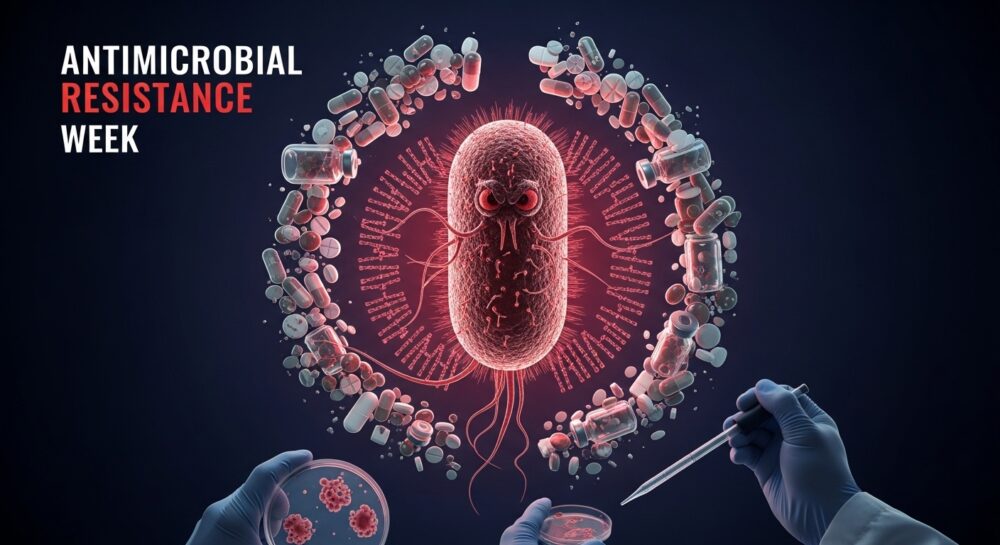
Every year from November 18–24, the world pauses for World Antimicrobial Awareness Week (WAAW) — a global campaign championed by the World Health Organization (WHO) to bring urgent attention to the growing menace of Antimicrobial Resistance (AMR).
But while the campaign is global, the urgency hits home for Nigeria in a very personal way.
Walk into any community pharmacy in Lagos, or even a small chemist shop in a remote village, and you’ll hear familiar lines:
“Oga, give me Amoxil.”
“Aunty, I need the strong antibiotic — that one that works fast.”
“Just give me something for infection.”
This is our reality — and it’s costing us lives.
Antibiotics, once seen as miracle drugs, are now losing their power because of overuse, misuse, and decades of self-medication. In a country where people often treat fever with antibiotics and rely more on chemists than clinics, AMR is not a distant scientific threat — it’s a present danger.
This year’s WAAW theme, “Preventing AMR Together,” reminds us that stopping antibiotic resistance is not the job of doctors alone. It requires patients, pharmacists, community health workers, policymakers, and digital health innovators like HealR coming together.
Because if Nigeria does not act now, we may soon enter a future where simple infections become deadly again.
What Exactly Is Antimicrobial Resistance (AMR)?
In simple Nigerian English:
AMR happens when germs stop responding to the medicines meant to kill them.
These germs — bacteria, parasites, fungi, viruses — evolve and become “smart,” making antibiotics and other treatments useless.
When this happens:
- Ordinary infections become stubborn
- Treatments take longer
- Hospital bills rise
- Patients suffer complications
- Some illnesses become untreatable
In Nigeria, AMR is spreading fast because of:
- Rampant self-medication
Many Nigerians diagnose themselves based on symptoms or Google searches — then buy whatever antibiotic they believe will “work.”
- Easy access to antibiotics without prescriptions
Despite existing regulations, antibiotics are still sold casually over the counter.
- Misuse of leftover drugs
People keep half-used sachets and complete courses “when they feel like.”
- “Stronger is better” mentality
Some believe 1000mg drugs work faster, even when unnecessary — increasing resistance.
- Over-prescription and poor infection control
Some facilities prescribe antibiotics “just in case,” while many communities lack infection prevention infrastructure.
- Limited access to qualified doctors
Rural areas often rely on untrained personnel or chemists.
The danger?
Common infections like typhoid, pneumonia, UTIs, and sepsis may stop responding to treatment.
Why AMR Matters in Nigeria
AMR is not a foreign problem. It is already hurting Nigerians — silently and steadily. Here’s why Nigeria should be deeply concerned:
- Nigeria is among the world’s highest consumers of antibiotics
Multiple studies confirm that antibiotic consumption here is extremely high — much of it without medical consultation, testing, or diagnosis.
Our “quick fix” culture is fueling resistance.
- Fake and substandard drugs worsen the crisis
Nigeria still deals with counterfeit antibiotics — a threat highlighted repeatedly by NAFDAC and WHO.
These fake drugs contain the wrong dose or no active ingredient at all, encouraging bacteria to mutate and resist treatment.
- High disease burden encourages misuse
Diseases like malaria, typhoid, dysentery, and STIs are common, leading people to self-medicate with antibiotics even when the illness isn’t caused by bacteria.
For example:
- Malaria — caused by parasites, NOT bacteria
- Viral infections — do NOT need antibiotics
- Most sore throats — viral, NOT bacterial
But many Nigerians still reach for antibiotics first.
- AMR drives up healthcare costs
When infections fail to respond to common antibiotics:
- More expensive drugs are needed
- Patients spend longer in hospitals
- Families pay more out-of-pocket
In a country where over 70% of healthcare expenses come directly from people’s pockets according to WHO, resistance is pushing more Nigerians into financial hardship.
Common Misconceptions Nigerians Have About Antibiotics
Across Nigeria, several myths fuel antibiotic misuse. Here are the big ones:
- “Antibiotics cure malaria.”
False. Malaria is caused by parasites.
- “A stronger antibiotic will clear the infection quickly.”
Not true. Wrong strength = faster resistance.
- “Once I feel better, I can stop the antibiotics.”
Stopping early helps bacteria evolve and become untreatable.
- “I can reuse leftover drugs next time.”
No. Every infection is different. Guessing = resistance.
These misunderstandings are why AMR is spreading so fast in Africa’s most populous country.
The Global Impact — and Why Nigeria Must Pay Attention
AMR is already called the “silent pandemic”.
The WHO predicts that by 2050, AMR could cause 10 million deaths annually if nothing changes — and low- and middle-income countries like Nigeria will suffer the most.
Imagine a Nigeria where:
- Typhoid no longer responds to common drugs
- Women lose their lives to untreated infections after childbirth
- Children die from pneumonia because antibiotics don’t work
- Minor wounds become life-threatening
- Routine surgeries become risky
This is not an exaggeration. It’s happening already in many hospitals around the world.
How Telemedicine HealR Can Help Fight AMR in Nigeria
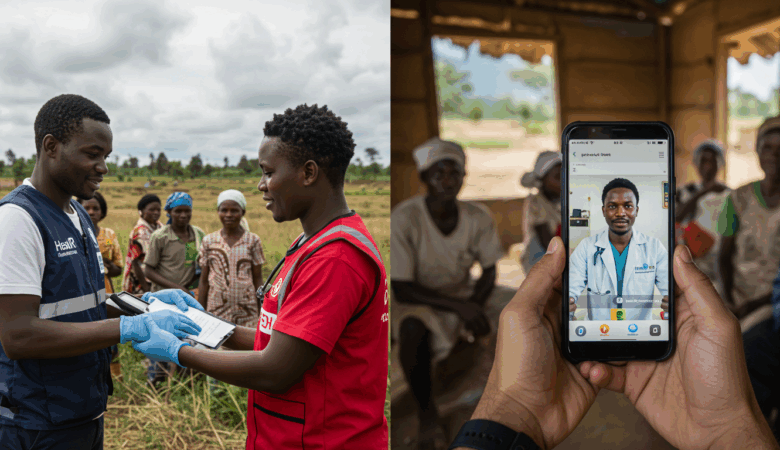
In the fight against AMR, Nigeria needs solutions that are accessible, scalable, and affordable. This is where telemedicine, especially platforms like HealR, makes a real difference.
- Immediate Access to Certified Doctors
Instead of walking into a pharmacy to “try luck,” patients can speak to licensed Nigerian doctors on HealR within minutes.
No guessing. No wrong prescriptions.
- Reducing Self-Medication
With doctors available at your fingertips, patients no longer need to self-prescribe antibiotics.
Proper medical advice = fewer unnecessary antibiotic requests.
- Accurate Diagnosis Through Virtual Consultations
Doctors can help patients understand when:
- Symptoms are viral
- Antibiotics are unnecessary
- Tests are needed
This alone drastically cuts down misuse.
- Nationwide Healthcare Access
In many Nigerian communities, pharmacists are easier to find than doctors.
HealR bridges this gap by connecting rural and urban patients to qualified doctors.
- Empowering Doctors to Promote Antibiotic Stewardship
HealR gives doctors a platform to:
- Educate patients
- Correct misconceptions
- Prevent inappropriate antibiotic use
This is digital public health at work.
What Nigerians Can Do During WAAW — and Beyond
Stopping AMR is a collective effort. Here’s what everyone can do:
- Don’t buy antibiotics without a prescription.
Even if you think you “know” what’s wrong.
- Avoid self-medication — always consult a doctor.
Telemedicine makes this easier than ever.
- Complete every antibiotic course.
Don’t stop halfway, even if you feel better.
- Don’t pressure doctors to prescribe antibiotics.
Trust their judgment.
- Educate your family, neighbours, and community.
Many Nigerians genuinely don’t know the dangers.
- Use HealR for proper medical guidance.
Convenient, affordable, and accessible healthcare — without the guesswork.
Conclusion
Antibiotic resistance is one of the biggest public health threats Nigeria faces today. It’s silent, it’s deadly, and it’s growing. But awareness, responsible antibiotic use, and digital health solutions like HealR give us hope.
The fight against AMR starts with you.
With me.
With all of us.
This World Antimicrobial Awareness Week, let us commit to protecting the medicines that protect us.
Antibiotics are a shared resource — once they’re gone, they’re gone.
Let’s use them wisely.
Let’s protect them.
Let’s protect ourselves.
Patients, download the HealR App today and speak to a certified doctor before taking your next antibiotic.
Your health — and Nigeria’s future — depends on it.
Doctors, join HealR Today and Become a Frontline Defender Against AMR.
Every responsible prescription, every accurate diagnosis, every educated patient brings Nigeria one step closer to defeating antibiotic resistance.
As a doctor, your expertise is urgently needed — not just in the hospital, but everywhere patients seek answers.
Sign up on HealR and help Nigeria stop AMR, one consultation at a time.
Your knowledge can save lives.
Your guidance can protect our future.
Your voice can change the culture of self-medication.


Leave a Reply